What Does It Mean to Prepare Girls for the Future?
Sometimes the answer isn't found in a classroom, but in the problems they are trusted to solve.
Education is often measured by the subjects’ students master, the exams they pass, and the diplomas they earn. Those milestones matter. However, long after students leave the classroom, life continues to ask questions that can't be answered by a textbook alone.
How do you recognize a problem worth solving? How do you listen when something isn't working? How do you adapt, collaborate, and keep improving? Perhaps most importantly, how do you develop the confidence to believe that solving those problems is your responsibility in the first place?
Those are the questions that define leadership. They are also the questions that shape the Secondary Education for Girls’ Advancement's (SEGA) Modern Girl Community Outreach Program.
For over a decade, SEGA's Modern Girl Program has equipped adolescent girls in communities across Tanzania with practical skills in leadership, entrepreneurship, financial literacy, communication, reproductive health, and decision-making—developing the confidence to navigate adolescence while discovering their ability to influence the world around them.
The true measure of that education, however, isn't what happens during the lessons. It's what happens afterward.
This summer, members of the Nurturing Minds team traveled to Tanzania to spend time with students, graduates, staff, and community partners of SEGA. From classrooms to entrepreneurship programs and community initiatives, the visit offered an opportunity to see firsthand how investments in girls' education continue to shape lives long after graduation.
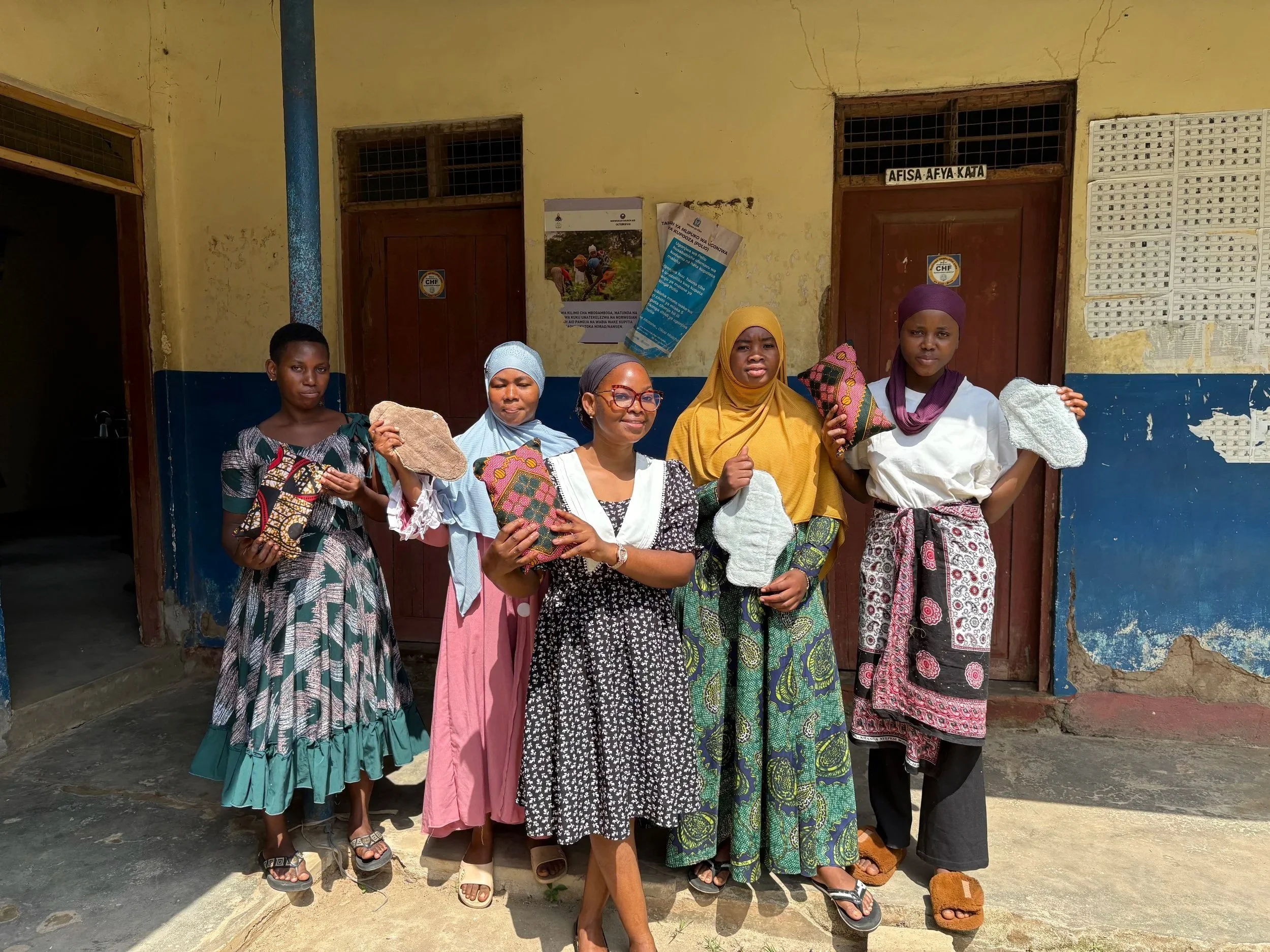
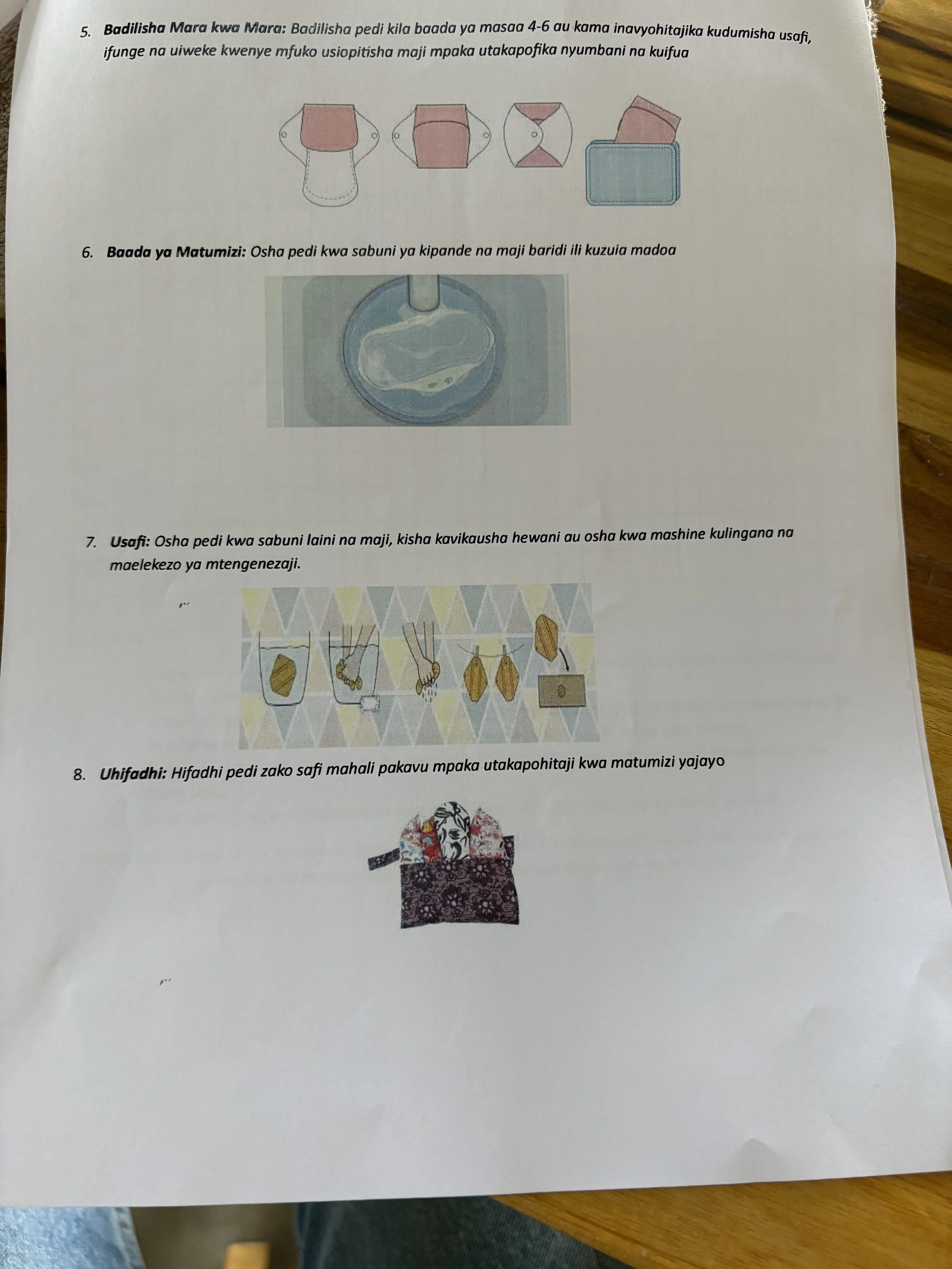
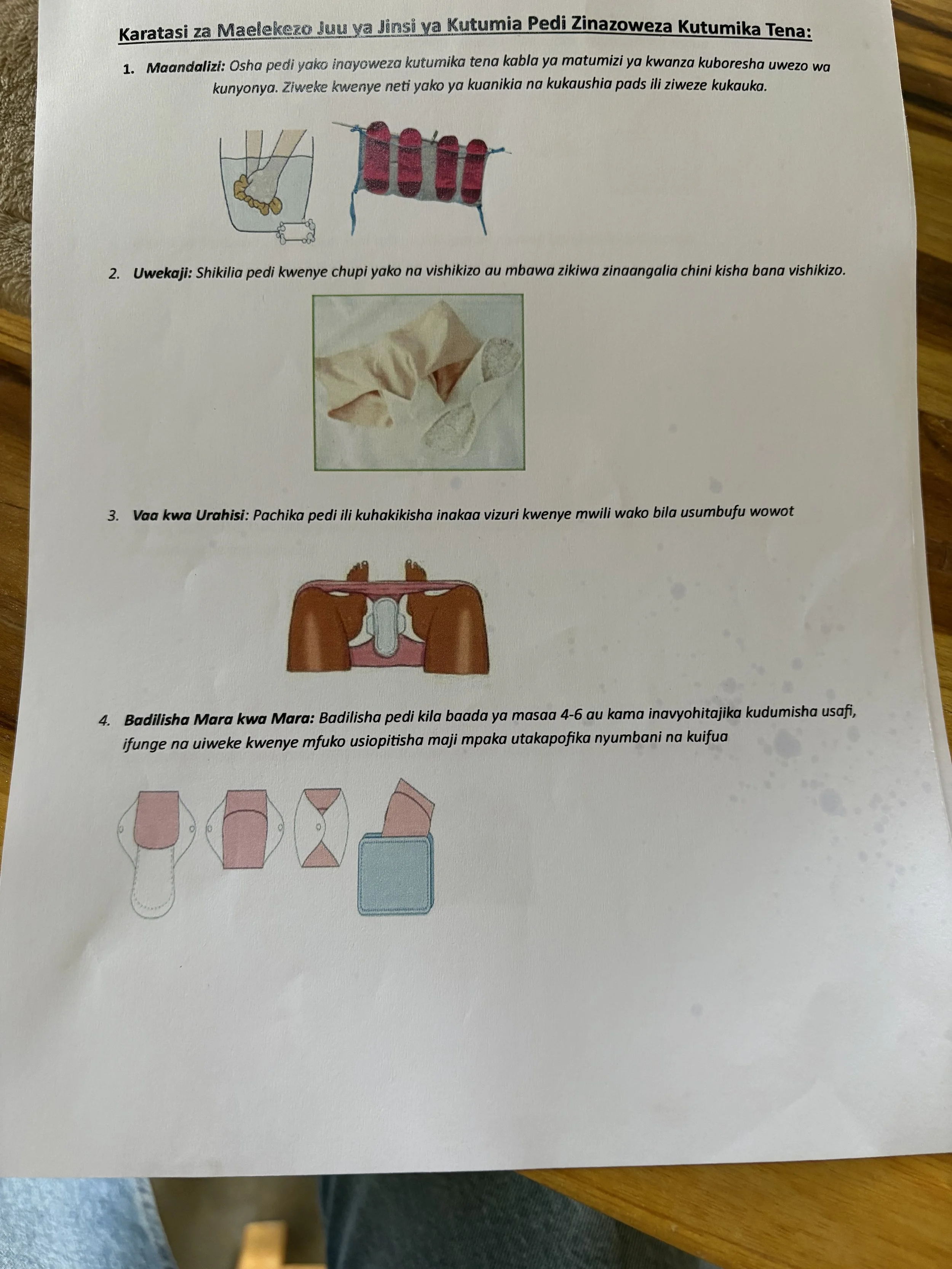
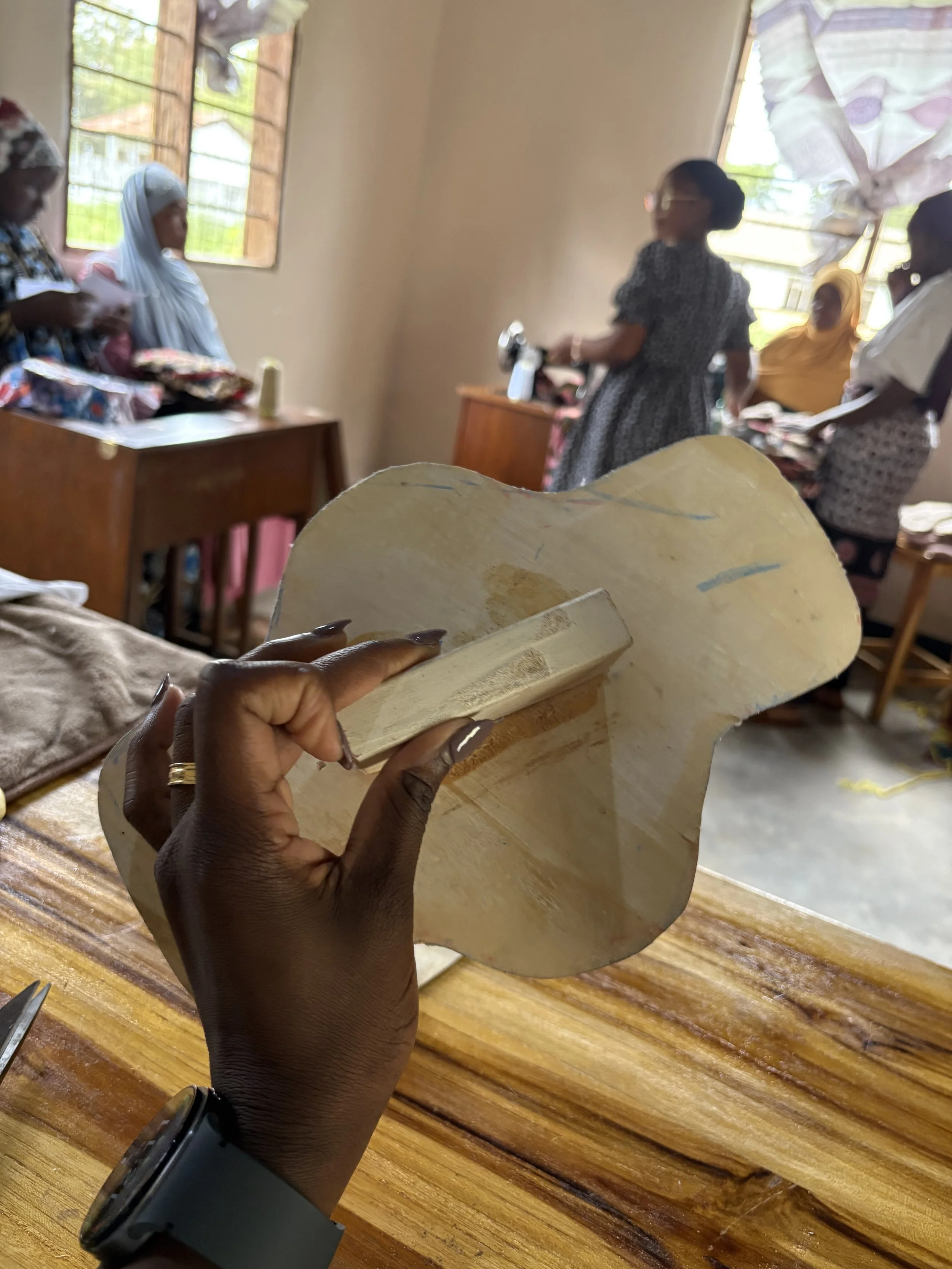
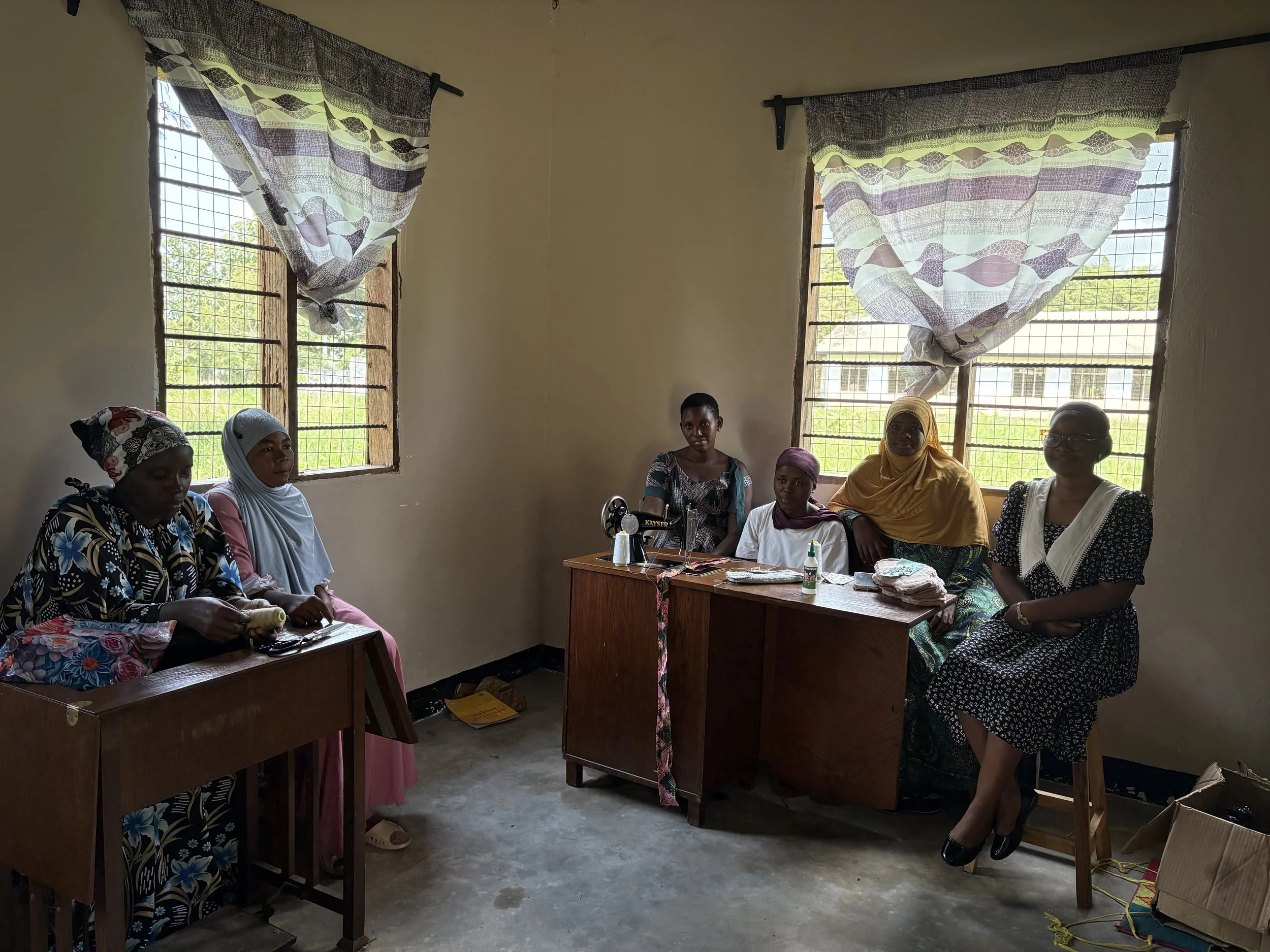
One example could be found inside a small business initiative, where a group of Modern Girl graduates gathered around tables covered with colorful fabric, carefully crafting reusable menstrual pads for girls in their communities.
The initiative addresses two important needs at once. It expands access to affordable menstrual products while creating meaningful income-generating opportunities for the young women. Working together, they produce, package, and sell the products while helping other girls better understand menstrual health.
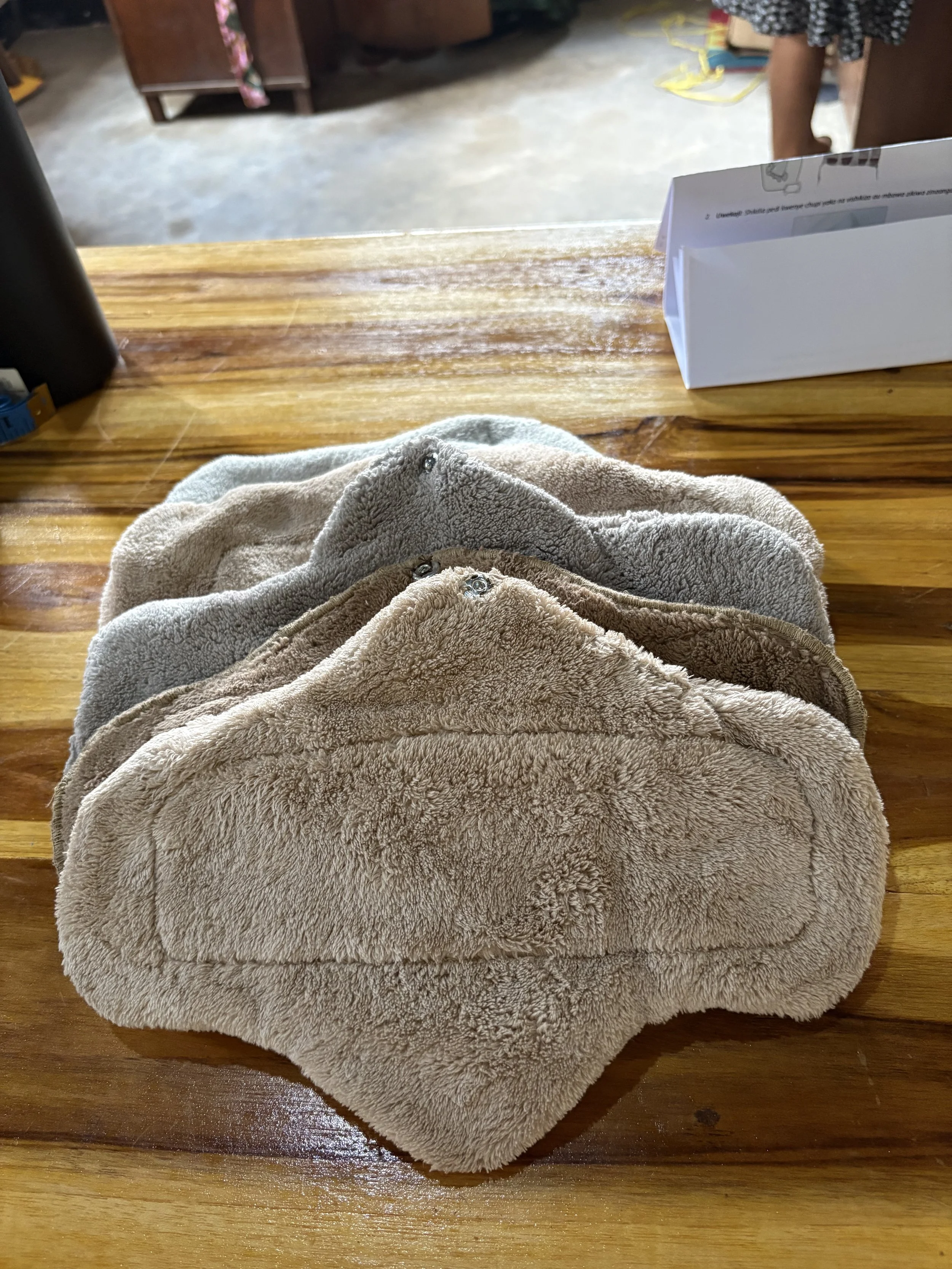
One conversation particularly stood out. Asked about the greatest challenge facing their pilot initiative, the graduates noted that customers had shared that the snaps on some reusable menstrual pads weren't lasting as long as expected. The conversation quickly turned toward alternatives as the young women compared different fasteners, considered customer feedback, and discussed how they could improve the next production run.
It was an ordinary conversation about product quality. Yet it revealed something extraordinary: no one was waiting for someone else to solve the problem, and no one viewed customer feedback as criticism. Instead, they treated it as information that provided an opportunity to improve.
In that moment, the young women weren't simply participating in a community initiative. They were thinking like entrepreneurs: listening to customers, refining a product, and continuously improving what they had created.
The conversation captured something that can easily be overlooked when we talk about education. And that’s the simple fact that knowledge is important, but confidence changes what people do with knowledge. The confidence to ask questions, to test ideas, to make mistakes, learn from them, and try again. These qualities are difficult to measure, yet they often determine whether education continues to create opportunities long after formal instruction ends.
That same mindset shaped the design of the initiative itself.
Before the first reusable pad was ever sewn, SEGA considered what conditions would allow the enterprise to succeed over the long term. The pilot community was selected, in part, because families have reliable access to clean water—an essential condition for washing and safely reusing the products. Rather than introducing a solution and hoping it would work, the initiative was designed around the realities of the community it serves.
That commitment to long-term thinking extends beyond the products themselves. Each menstrual pad kit includes a menstrual calendar, and every sale is paired with education about menstrual health and proper product use. The goal isn't simply to distribute reusable pads. It's to equip girls with the knowledge and confidence to care for their health while reducing the stigma that too often surrounds menstruation.
Working from the local ward office and alongside community leaders, the initiative is building more than a sustainable business. As the initiative grows, today's participants will mentor future cohorts of Modern Girl graduates, creating a model in which leadership, knowledge, and opportunity continue to expand from one young woman to the next.
Too often, development is measured by what organizations provide: the number of products distributed, the number of workshops delivered, or the number of participants reached. Those metrics matter, but unsurprisingly, they tell only part of the story.
The deeper question is whether people leave with greater capacity than they had before. Can they recognize problems that matter? Imagine solutions for them? See themselves as people capable of creating change? And become the people their communities turn to when new challenges emerge?
Sitting in that sewing room, it became clear that the young women leading this initiative already are. The reusable menstrual pads they produce will improve lives. The education they provide alongside each product will empower other girls to better understand and manage their health. The income they earn will create new opportunities for their families.
But the most enduring outcome may be something far less visible.
It is the quiet confidence that comes from discovering that your ideas have value, your voice deserves to be heard, and your community is stronger because you chose to help solve one of its challenges.
Education will always be measured by the knowledge students gain. Perhaps its greatest success, however, is revealed much later—when young women begin recognizing problems, imagining solutions, and believing they have both the ability and the responsibility to improve the communities around them.
That is what education can make possible: not simply preparing girls for the future but also preparing them to shape it.