The Bridge Before the School Year Begins
Each September, SEGA Girls’ School welcomes a new cohort of Form I students.
They arrive ambitious, capable, and eager to begin secondary school. But they are also stepping into a significant academic transition: moving from primary school instruction in Swahili to a secondary curriculum delivered in English.
This transition often shapes a student’s entire secondary experience.
SEGA’s English Fluency Program is designed to meet that moment deliberately. For more than a decade, the program has served as a critical academic bridge, equipping incoming students with the confidence and conversational fluency they need before the school year fully begins.
For Nurturing Minds Board Member Clarke Blynn, that bridge reflects the evolution of his own commitment to girls’ education, from helping build SEGA’s campus to strengthening the confidence of its students.
From Building Classrooms to Building Confidence
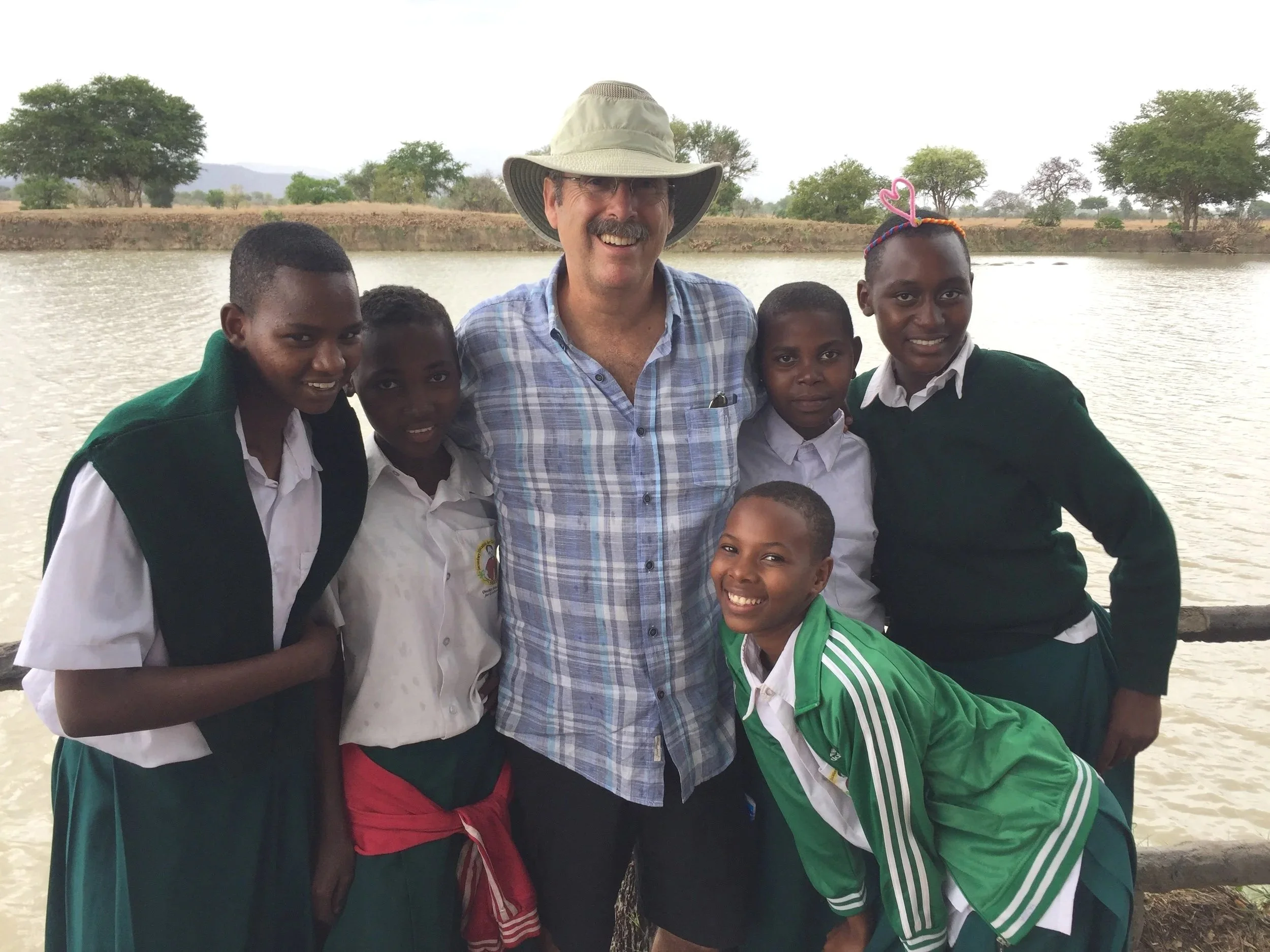
Clarke’s path to SEGA began long before the English Fluency Program.
He first became involved with Nurturing Minds and SEGA in 2009. A longtime friend of Nurturing Minds Co-Founder Tracey Dolan, he initially declined an invitation to support, but the mission left a lasting impression on him, so he quickly reconsidered.
With a background in hotel construction, he traveled to Tanzania and worked closely with local contractor Mr. Mosha to help build the campus from the ground up.
Today, Clarke remains deeply involved as a board member, a donor, and one of the leaders of the English Fluency Program.
His role during the program is practical and steady. He coordinates logistics from airport arrival to classroom launch, manages daily schedules, ensures volunteers understand the curriculum, and supports the rhythm of the two-week immersion. He also creates small moments of connection along the way, helping everyone unwind.
But beyond the logistics, Clarke understands the deeper purpose.
“Students aren’t going to become fluent in two weeks,” he says. “But what changes is their willingness to try.”
That willingness matters. Because without confidence, even the brightest students can hesitate to raise their hands, present ideas, or fully participate in class.
Immersed in the Program
The English Fluency Program runs intensively before the academic year begins. Volunteers work alongside SEGA teachers to immerse students in conversational English, classroom vocabulary, and presentation practice.
The days are structured and purposeful. The curriculum is carefully prepared and accessible for volunteers, many of whom arrive unsure whether they are “qualified” to teach. But, what matters most is their presence, consistency, and a willingness to engage.
Upon volunteers arrival, nearly 270 students fill the assembly ground with a welcome song, a tradition Clarke describes as powerful every time. For many, it is their first glimpse of the community they are stepping into: a school already alive with ambition, rhythm, and pride.
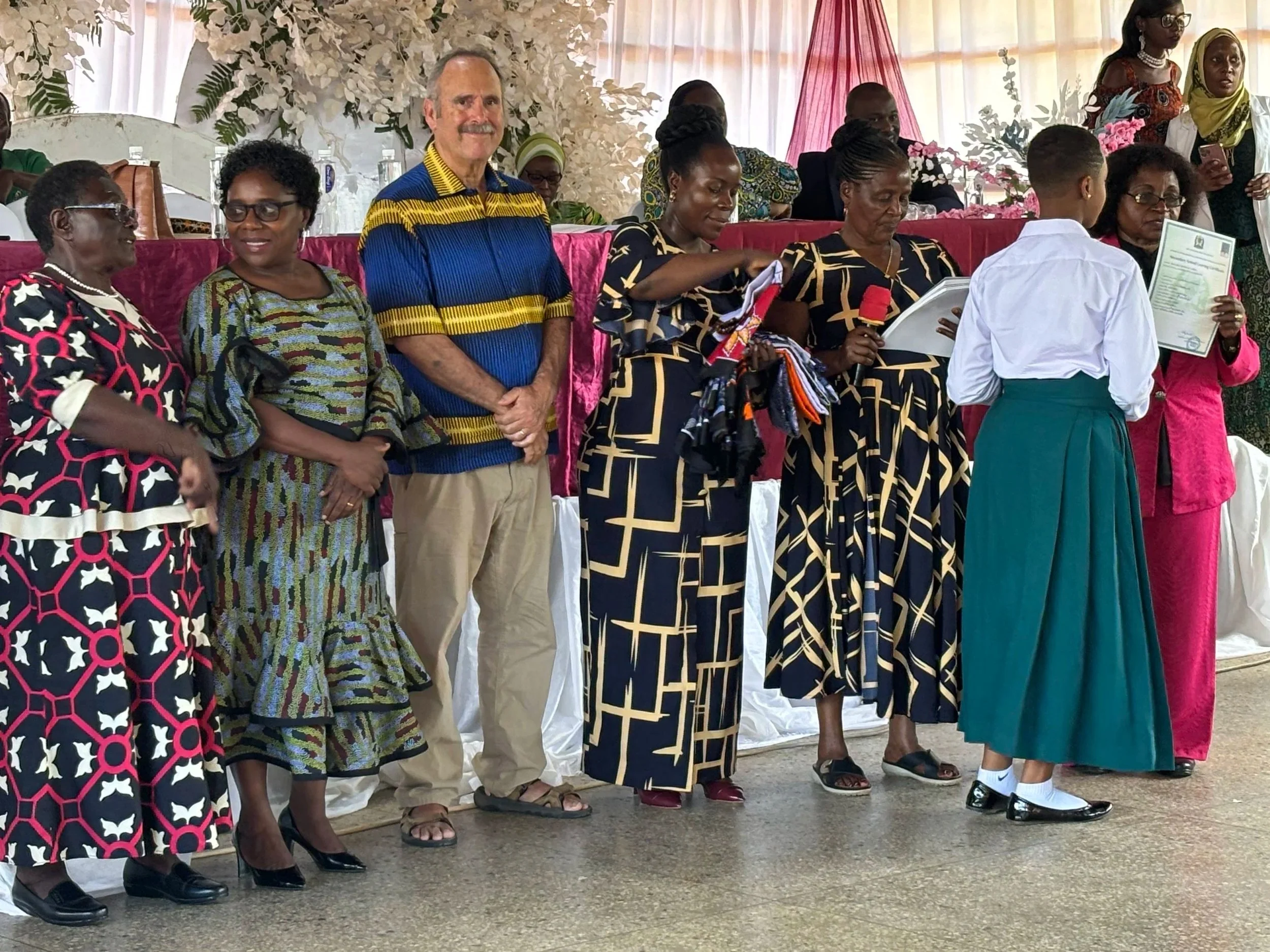
English Fluency volunteers arrive just as SEGA prepares for Form 4 graduation. In their first few days, they witness students crossing the stage, celebrating years of persistence before a new cohort even begins.
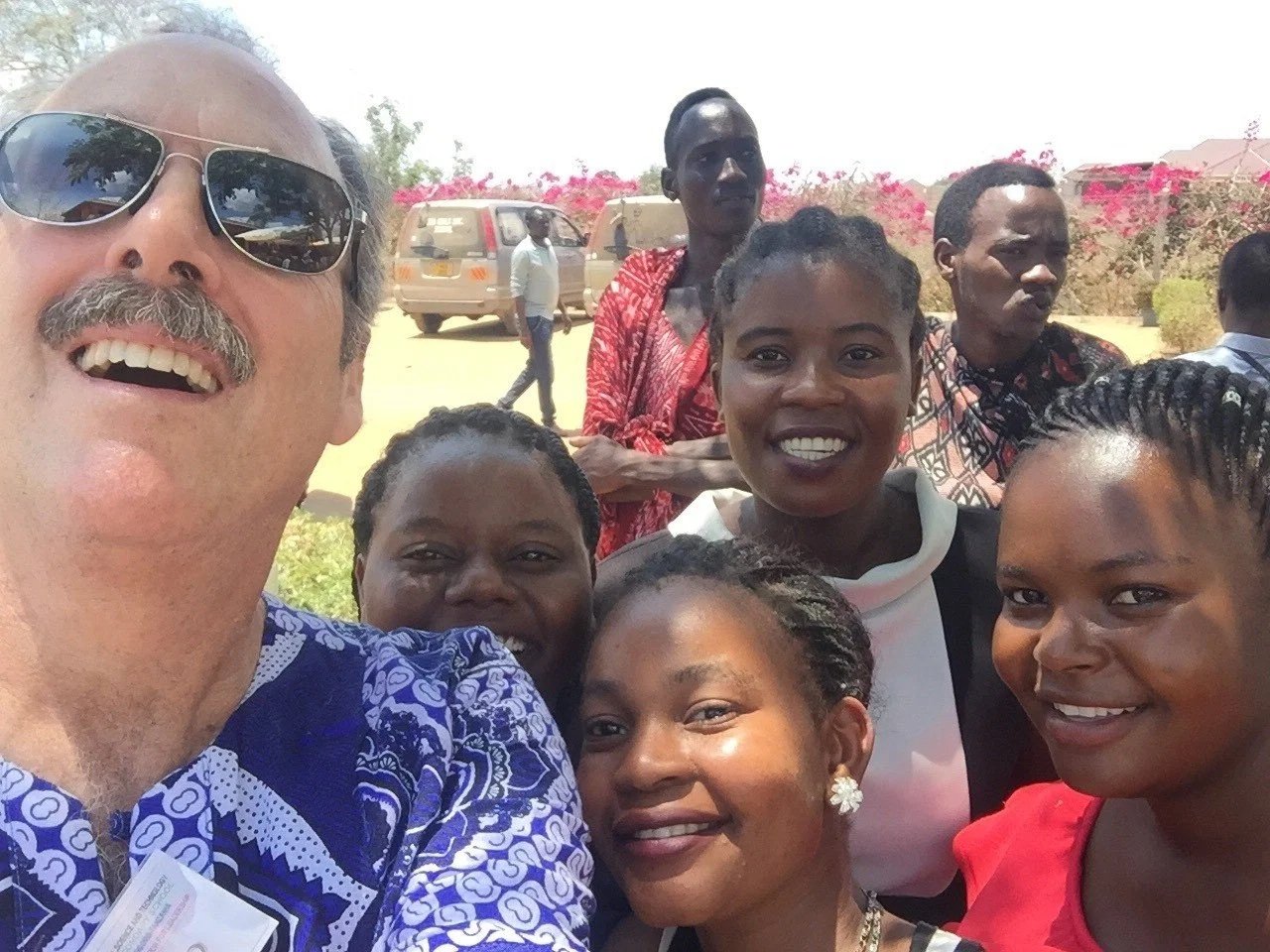
As the program unfolds, afternoons offer balance. Students and volunteers hike to nearby waterfalls, play soccer—with relentless determination on the students' part—and participate in community-wide sports days. These shared moments build trust and connection, reinforcing that learning is relational as much as academic.
By the end of the two weeks program, growth becomes visible. Presentations are shared and achievements are celebrated.
For Clarke, these moments capture what the program is truly about: confidence taking root within a larger community of continuity and care.
Why This Bridge Matters
SEGA’s mission is not simply to admit talented girls. It is to ensure they have the tools to succeed once they arrive, and the confidence to lead beyond the campus gates.
At SEGA, that commitment extends beyond the classroom, shaping daily campus life. Fluency allows students to participate fully in their studies, but it also expands their ability to engage far beyond them.
Over the years, SEGA students have represented their school in exchanges across Africa and around the world, participating in leadership programs, cultural dialogue, and academic partnerships in North America, Central America, and throughout Asia.
English does not define their brilliance. It amplifies their ability to share it.
That amplification begins with the English Fluency Program, which ensures that when opportunities arise, whether locally or globally, SEGA students are prepared to step forward with clarity and confidence.
The program does not solve every academic challenge. But it addresses one of the most fundamental: confidence in the language of instruction.
When students feel confident enough to speak, they participate.
Participation leads to engagement.
Engagement leads to growth.
It is a quiet intervention. But an essential one.
As Clarke has learned over the years, foundations matter. Whether constructing buildings or strengthening programs, what happens at the beginning shapes everything that follows.
Growing Demand, Growing Momentum
After a temporary slowdown during the pandemic, the English Fluency Program has regained strong momentum.
This year’s October session filled quickly, largely through word-of-mouth from previous volunteers. Interest continues to grow, a reflection not only of the experience itself, but of the importance of the work.
For more than a decade, the English Fluency Program has prepared incoming students before their first academic term begins. The transition from Swahili to English remains a defining feature of secondary education in Tanzania. What has evolved is how SEGA meets that moment.
Each year, the curriculum is refined. The volunteer experience is strengthened. The structure evolves to meet the ever-changing needs of students.
Looking Ahead
With the October 2026 session already full, planning for 2027 is underway. For those who have considered joining, now is the time to begin looking ahead.
Because the bridge between admission and achievement is built year after year, and every cohort deserves to begin with confidence.
For those hesitating, Clarke offers steady encouragement: “Just do it. Close your eyes and go for it.”